Wood vs. Vinyl: Which Fence Material Is Right for You?
By Thomas Leager | August 7, 2026
In the quest for the perfect fence, homeowners often find themselves choosing between wood and vinyl. Each material offers a distinct set of advantages and considerations. This article delves into the essential aspects of wood and vinyl fencing, helping you decide which is optimal for your needs. From cost considerations to aesthetic impact, understanding the nuances of each material is crucial. By examining key factors, homeowners can make a decision that balances functionality, beauty, and sustainability.
Cost Comparison
Initial Material Costs
The initial material cost is one of the most significant considerations when choosing between wood and vinyl fencing. Wood fences, particularly those made from cedar or redwood, can be costly due to the price of high-quality timber. Pine is a more affordable option, but it is also less durable. In contrast, vinyl fences usually come with a higher upfront cost but may offer long-term savings, especially when a qualified vinyl fence contractor completes the installation correctly. This raises questions about the initial budget versus long-term investment.
Installation Expenses
Installation expenses can also differ significantly between wood and vinyl fencing. Wood fences often require professional installation to ensure durability and aesthetic appeal, which can add to the total cost. Vinyl fences, although possible to install yourself, also benefit from professional installation, as an experienced vinyl fence contractor has the skill to align the panels properly. When weighing costs, it's important to consider the potential need for professional help and the associated fees. Ultimately, the choice between DIY and hiring professionals significantly affects the overall cost.
Long-Term Maintenance Costs
Maintenance costs have a substantial influence on the total expense of owning a fence. Wood fences demand regular painting or staining to maintain their appearance and prevent rot, leading to recurring expenses. Vinyl fences, by comparison, require minimal upkeep, primarily cleaning and occasional minor repairs. According to Bob Vila, vinyl fences are one of the best types to invest in, thanks to their long lifespan of 10 to 30 years, which translates to reduced maintenance costs over time. This longevity significantly affects the financial analysis of both materials.
Potential for Value Appreciation
A fence can also impact the overall value of a home, particularly in terms of curb appeal. The classic appeal of wood fences often positively influences property value, especially in traditional or rustic settings. Vinyl, offering modern aesthetics, can appeal to buyers looking for low-maintenance, long-lasting properties. Investing in a high-quality fence and maintaining it properly can enhance home value appreciation. Homeowners should consider both immediate and long-term value implications when choosing their fence material.
Budget-Friendly Alternatives
For those on a tight budget, alternative solutions might be worth exploring. Options such as treated wood offer cheaper up-front costs while still providing some of the durability properties of more expensive types like cedar. Vinyl, despite its initial cost, can offer savings over time due to its durability and low maintenance requirements, and a vinyl fence contractor can explain which options fit the homeowner's budget. Composites, blending wood and vinyl characteristics, provide another budget-friendly choice balancing cost, aesthetics, and maintenance. Evaluating these alternatives in light of personal financial constraints can guide decision-making.
Aesthetic Qualities
Natural Appearance vs. Modern Aesthetics
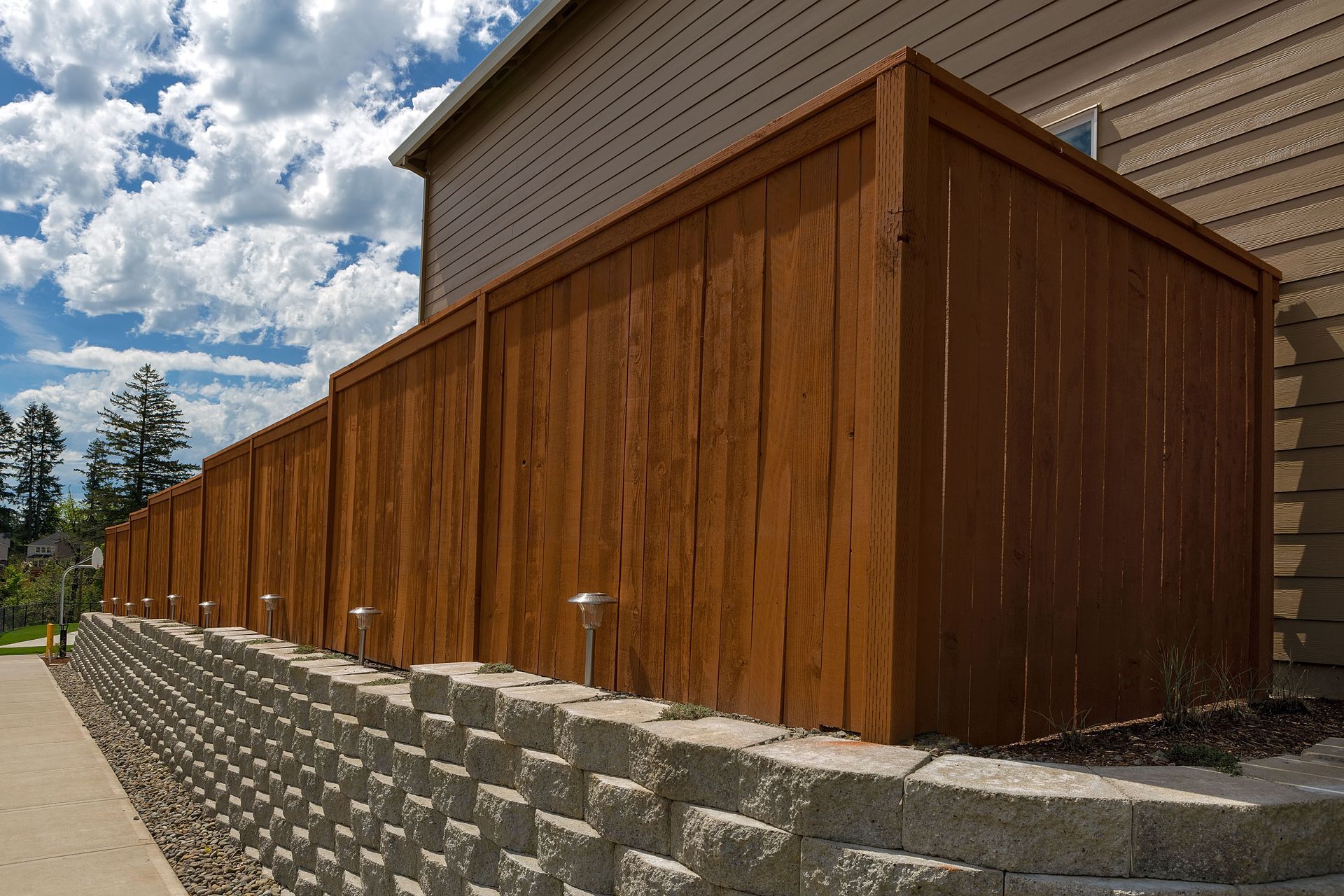
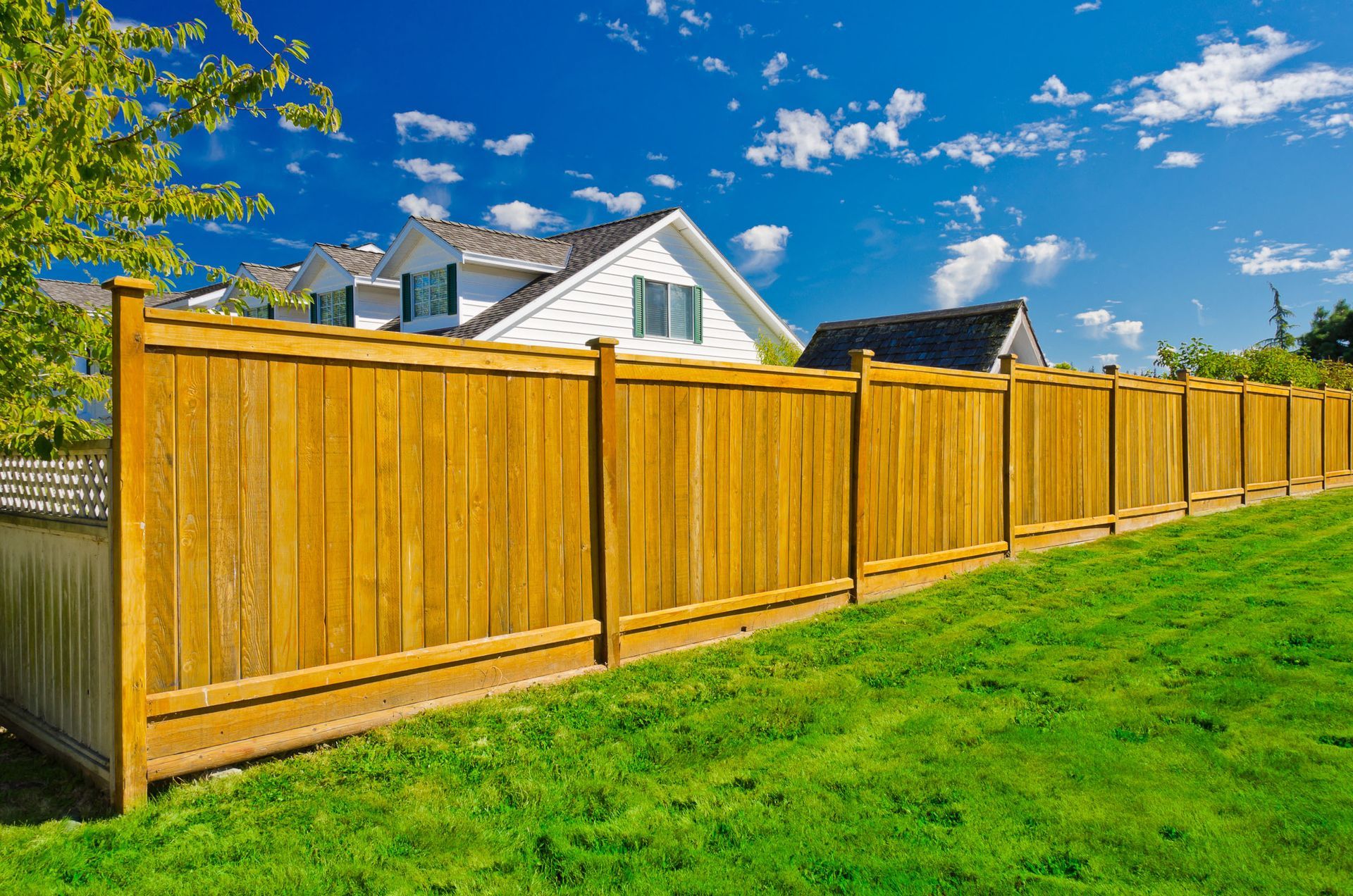
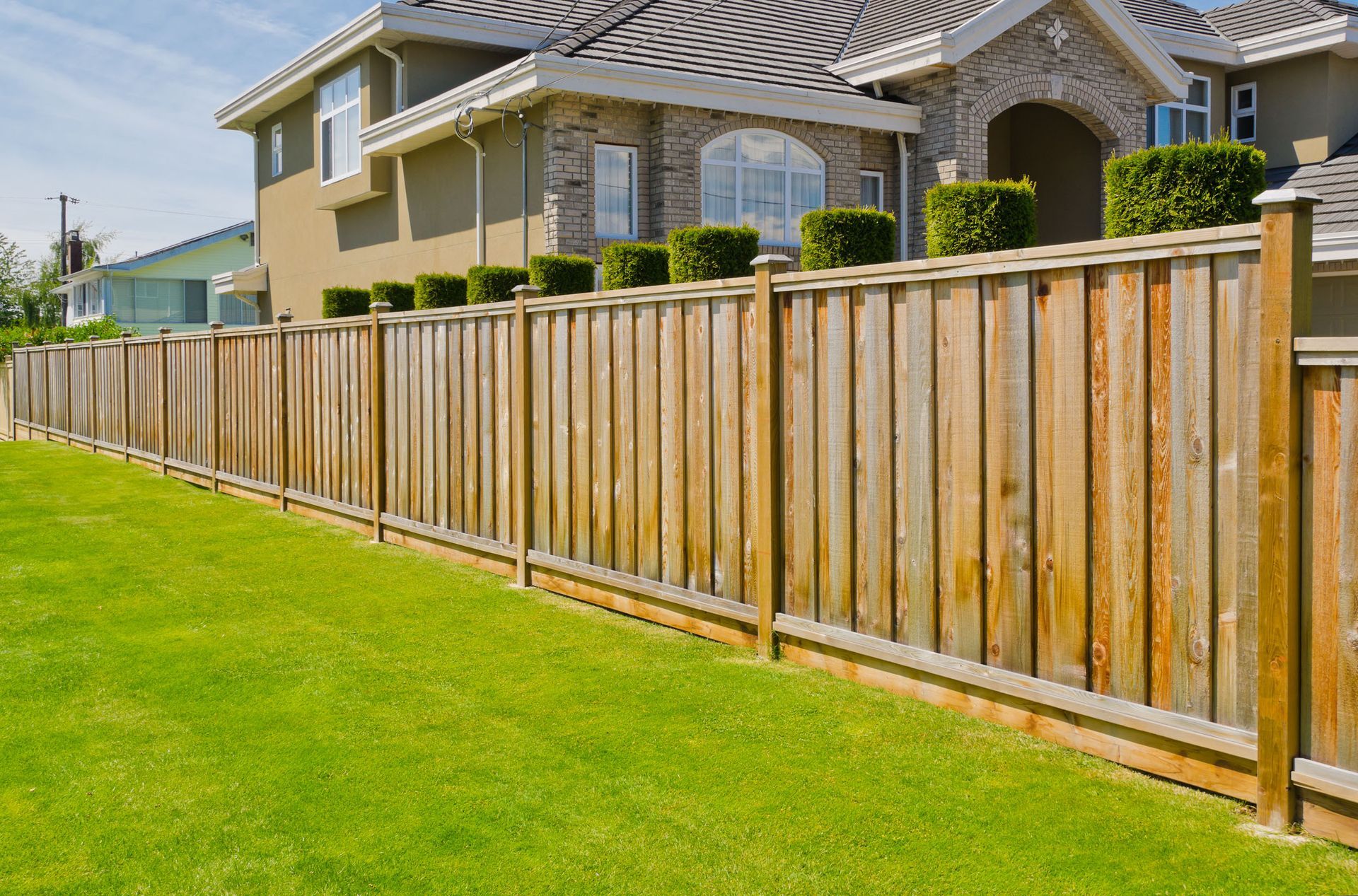
Aesthetics play a critical role in the choice between wood and vinyl fencing. Wood provides a natural, timeless look that blends well with natural environments and traditional home designs. Meanwhile, vinyl offers a sleeker, more modern appearance, appealing to those looking for contemporary styles. While wood's natural beauty is unmatched, it requires regular maintenance to retain its appearance. Each material's aesthetic offers unique opportunities for aligning with the homeowner's vision.
Color and Style Options
Both wood and vinyl provide a range of color and style options, allowing for customization according to personal taste. Wood can be painted or stained in virtually any color, providing versatility in achieving the desired look. A vinyl fence contractor can also present vinyl fences in various colors and styles, though they cannot be painted as easily as wood. The choice of color or style should consider the overall design of the property and personal preferences. This flexibility enables homeowners to tailor their fence to complement their home aesthetics perfectly.
Curb Appeal and Design Versatility
Curb appeal is often a primary concern for homeowners wishing to enhance their property's exterior. Wood fences, with their rich texture and natural appearance, often elevate curb appeal, making properties look more inviting. Vinyl fences, sleek and clean, can also significantly enhance a property's appearance, especially when matched with the architecture's modern lines. Design versatility is a strong suit for both materials, offering numerous possibilities to complement and enhance the home's exterior. Selecting the right fence can meaningfully influence the property's overall attractiveness.
Durability and Longevity
Resistance to Weather Conditions
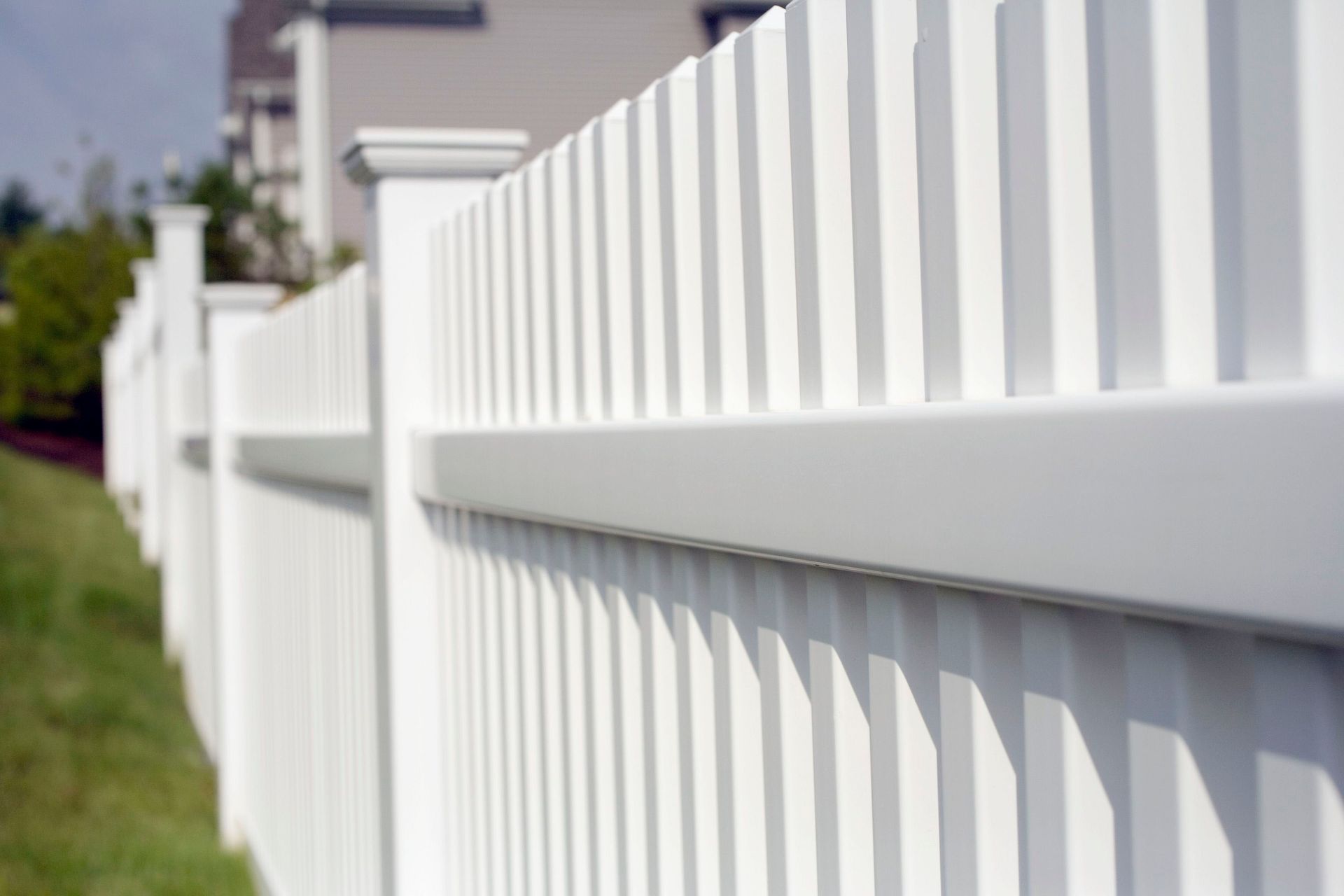
Durability involves how well each fencing material withstands various weather conditions. Wood fences, though robust, are vulnerable to rot, especially in damp climates, and can deteriorate rapidly if not adequately treated. Vinyl fences boast impressive weather resistance, remaining unaffected by moisture, pests, and UV rays when installed according to the recommendations of a vinyl fence contractor. This UV resistance is particularly advantageous in regions with high sun exposure, where fading and wear might be concerns. Addressing weather resilience through the choice of material is vital for long-lasting fences.
Expected Lifespan of Each Material
The expected lifespan of a fence is a crucial consideration in evaluating materials. Wood fences typically last anywhere from 10 to 15 years, though this can extend with proper maintenance. In contrast, Bob Vila highlights that vinyl fences typically last between 10 and 30 years, showcasing their durability and long-term viability. Despite higher initial costs, a longer lifespan can justify the investment in vinyl. Regular care and maintenance practices directly influence the actual lifespan of each material.
Vulnerability to Pests and Rot
Pest resistance is a key durability factor for fencing materials. Wood fences are particularly susceptible to pest infestation, especially termites, which can cause considerable structural damage. Vinyl, particularly due to its synthetic nature, is inherently resistant to pests and does not rot, providing a significant advantage over wood. This resistance ensures minimal degradation, leading to fewer repairs and replacements over time. Choosing a pest-resistant material ensures a fence's structural integrity over its lifespan.
Impact of Environmental Factors
Environmental factors such as temperature fluctuations, humidity, and sun exposure significantly impact fencing materials. Wood has natural beauty but can warp and crack in varying temperatures, affecting its structural integrity. Vinyl resists such environmental factors better, though it might also become brittle in extreme cold over time. Evaluating how local environmental conditions affect each fencing material's durability can offer important insights. The choice of material should take into account the corresponding environmental resilience for long-term performance.
Maintenance Requirements for Longevity
Maintenance plays a central role in the longevity of fences. Wood fences require ongoing maintenance tasks such as painting, staining, and sealing to protect against weather and pests. Vinyl fences, however, require minimal maintenance, and a vinyl fence contractor may recommend little more than periodic cleaning and occasional inspections. Keeping maintenance considerations in mind will help ensure the long-term performance and appearance of your fences. The choice largely depends on the homeowner's preference for ongoing maintenance versus the upfront investment in a long-lasting, low-maintenance option.
Choosing between wood and vinyl fencing ultimately depends on individual priorities and circumstances.
Consideration of factors such as cost, appearance, durability, maintenance, environmental impact, and installation will guide homeowners to make an informed decision aligning with their property and personal values. By examining these essential aspects, homeowners can confidently select a material that not only meets functional needs but also complements aesthetic and sustainable living aspirations. Whether favoring the natural charm of wood or the durability of vinyl, an informed choice reflects a thoughtful, future-focused investment. The decision underscores a balance between practical needs and lifestyle values, making any fence installation a robust extension of the home itself. Call TL Fence LLC today to learn more.
Share On: