4 Durable Fence Materials Worth the Investment
By Thomas Leager | April 6, 2026
Fences serve both functional and aesthetic purposes, providing privacy, security, and enhancing the landscape of a property. Choosing a durable fence material is crucial to ensure longevity and return on investment. This article examines the top fence materials that are worth considering due to their durability, cost-effectiveness, and environmental benefits.
1. Vinyl Fencing
1.1 Durability and Weather Resistance
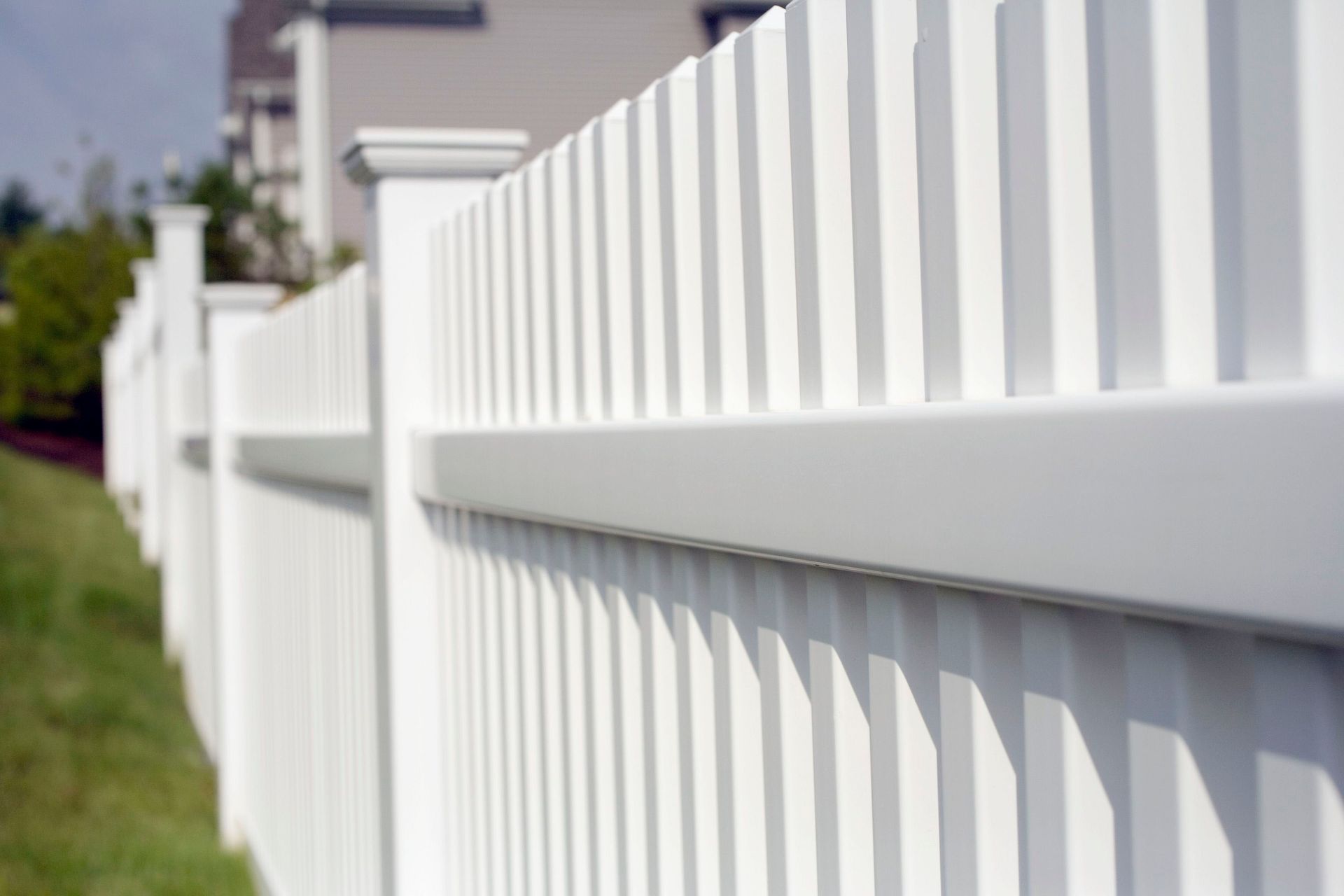
Vinyl fencing is known for its remarkable durability and resistance to various weather conditions. Unlike wood, vinyl doesn't rot, warp, or attract termites, making it an excellent choice for longevity. The material is designed to withstand extreme temperatures and direct sunlight without fading or deteriorating. Additionally, vinyl is impervious to moisture, preventing water damage and mold growth over time. This durability allows vinyl to maintain its appearance and structural integrity for many years.
Weather resistance is a key factor for those living in areas with harsh climates. Vinyl's ability to endure snow, rain, and intense sun makes it an ideal choice for anyone seeking a low-maintenance option. According to Fixr, installing wood and vinyl fences usually takes one to two days, making them relatively quick choices. This not only saves time but also minimizes disruption to the homeowner's routine. Overall, vinyl's resilience against the elements makes it a wise investment for any property.
Another advantage of vinyl fencing is its low maintenance requirements. Homeowners do not need to paint, stain, or seal vinyl fences regularly, unlike wood options. A simple wash with soap and water is often sufficient to keep the fence looking new. This ease of maintenance translates to savings on both time and money, allowing property owners to focus on other priorities. Consequently, vinyl fencing provides excellent value by combining low upkeep with high durability.
1.2 Maintenance Benefits
Maintenance is a significant consideration when choosing a fencing material, and vinyl excels in this area. The absence of paint and sealant requirements means less frequent upkeep compared to wood, which requires protection against the elements. This lack of ongoing maintenance reduces lifetime costs, making vinyl an economically sound choice in the long term. Additionally, vinyl is easy to clean, often needing just a hose-down or a quick scrub to remove dirt and grime. Thus, for those seeking a hassle-free fencing option, vinyl presents a compelling case.
The simplicity of maintaining vinyl fencing is attractive to busy homeowners. There's no need to schedule regular upkeep or hire professionals for repairs frequently, as vinyl remains resilient against natural wear and tear. In case of damage, individual panels can often be replaced without having to overhaul the entire fence, simplifying maintenance even further. This contrasts with wood fences, where comprehensive repairs can be costlier and more labor-intensive. Consequently, vinyl's minimal maintenance demands make it even more appealing.
Vinyl's maintenance benefits also extend to its aesthetic appeal. Because the material retains its color over time, property owners won't face the fading or discoloration issues that plague other materials. This consistency in appearance contributes to the overall visual appeal of the property, maintaining its desirability and potentially its market value. Moreover, vinyl's durable finish ensures that even years after installation, the fence can still look as pristine as the day it was erected. In essence, vinyl provides a long-lasting, visually appealing fence with minimal effort.
1.3 Cost Considerations
Initial costs for vinyl fencing can be higher compared to other materials like wood or chain link. However, the long-term savings achieved through reduced maintenance costs make it a sound financial decision. Without the need for regular painting or sealing, maintenance expenses are kept to a minimum, offsetting the higher upfront investment. Furthermore, the longevity of vinyl means that replacements or significant repairs are less likely, ensuring sustained savings over time. As a result, vinyl remains a cost-effective choice over the lifespan of the fence.
2. Aluminum Fencing
2.1 Strength and Longevity
Aluminum fencing is renowned for its strength and ability to withstand the elements, making it a durable choice for many property owners. Unlike iron, aluminum does not rust, allowing it to maintain structural integrity over its lifespan. This makes it particularly suitable for regions with high humidity or saline environments where corrosion is a concern. Furthermore, aluminum fencing often comes with a powder-coated finish, enhancing its resistance to peeling and chipping. This characteristic ensures that aluminum fences maintain a polished appearance with minimal degradation over time.
2.2 Maintenance and Care
One of the most appealing aspects of aluminum fencing is its low maintenance requirements. Unlike wood, aluminum does not need to be stained or painted regularly, reducing ongoing upkeep efforts. The occasional cleaning with water and mild detergent is typically sufficient to keep the fence looking pristine. This ease of care enhances aluminum's attractiveness for those seeking convenience and long-term aesthetic appeal. As such, homeowners can enjoy their robust fence without dedicating considerable time or resources to maintenance.
2.3 Cost-Effectiveness
When considering cost, aluminum fencing offers several advantages that justify its slightly higher initial price point. The durability and longevity of the material ensure that repair and replacement costs remain low over time, providing financial benefits in the long run. Additionally, aluminum requires fewer maintenance-related expenses compared to wood or steel, where weatherproofing treatments are necessary. This cost-efficiency, combined with its strength and aesthetic appeal, makes aluminum an attractive option for property owners looking to balance quality and budget. Thus, investing in aluminum fencing can be a wise financial decision.
3. Steel Fencing
3.1 Superior Strength
Steel fencing is often regarded as one of the strongest options available, providing unparalleled durability and security. This material is particularly appealing for those prioritizing security, as its robust structure serves as a formidable barrier against intrusion. Steel's strength also supports its use in a variety of settings, from industrial applications to high-security residential properties. The material's rigidity and resilience amplify its appeal, making it a preferred choice for those who need a reliable, enduring fencing solution. Thus, steel's superior strength ensures comprehensive protection for any property.
3.2 Longevity and Durability
The longevity of steel fencing is one of its most significant advantages, as the material resists damage from both environmental factors and physical impacts. With proper maintenance, a steel fence can last decades, significantly exceeding the lifespan of other materials like wood. This durability translates into long-term savings, as infrequent replacements and repairs reduce overall costs. Additionally, steel is resistant to rust and corrosion, especially when treated with protective coatings. Consequently, steel stands out as a resilient and reliable fencing option that offers value over time.
4. Chain Link Fencing
4.1 Durability and Functionality
Chain link fencing is known for its simplicity and durability, providing effective security without the bulk or weight of other fencing materials. Its galvanized steel construction ensures resilience against environmental elements, withstanding wind, rain, and snow without suffering significant damage. This durability makes chain link fences an ideal choice for a variety of settings, from residential backyards to industrial sites. Furthermore, their design allows for visibility while offering boundary delineation, enhancing functional applications across different environments. As such, chain link stands out as a practical and versatile option for long-term use.
4.2 Cost and Economic Value
Chain link fences are often selected for their cost-effectiveness, offering affordability without sacrificing utility. The initial cost of chain link fencing is typically lower than that of vinyl, wood, or composite options, making it an attractive choice for budget-focused projects. Despite its lower price point, chain link provides commendable durability and functionality, contributing to economic value. This efficiency, combined with low material costs, results in a financially prudent fencing solution.
As you can see, there are many great fencing materials with various benefits. Choosing the right material for your property takes time, dedication, and proper information. If you're looking for a new fence, contact TL Fence LLC today.
Share On: